
March 24, 2025
The Snitch Crew
Civic Accountability: How Reporting Code Violations Builds Safer Florida Neighborhoods
Have you ever wished your street looked cleaner or felt safer, or watched a vacant lot turn into a dumping ground and wondered how to help? That’s where civic accountability comes in.
Civic accountability means residents take an active role in keeping their community clean and safe: reporting real problems, staying engaged, and holding property owners and local authorities responsible. Getting involved can feel intimidating. You might worry about retaliation from a neighbor, or about navigating government procedures. Small steps add up, and there are ways to participate without putting yourself in the middle of a feud.
Report a Florida code violation with SNITCH →
What Civic Accountability Means for Your Community
Civic accountability is residents caring enough to hold property owners and local government responsible for a condition, or for inaction on one. It’s saying, “this is our home, and we expect it to be safe and clean.” When residents participate, neighborhoods improve: trash gets cleared, public spaces get safer, and property values tend to hold up better because the area stays well-kept.
How Code Enforcement Supports Safety and Property Values
Code enforcement isn’t just red tape. Well-maintained neighborhoods tend to hold their value better, while unresolved violations, a derelict structure, junk accumulation, an unsafe property, drag down the surrounding block. Buyers prefer clean, maintained areas, and a single neglected property can affect the homes around it.
Civic Engagement in Florida
Florida cities increasingly offer digital tools that let residents flag problems and track city responses, from online service portals to mobile apps for reporting issues. These tools lower the effort it takes to participate. They don’t remove the one barrier that stops many residents from filing a code complaint: putting their name on the record. That barrier comes from state law, and it’s where a filing service changes the calculation.
The Real Barrier: Fear of Retaliation
Plenty of people don’t report a genuine problem because of one specific worry. Florida’s Senate Bill 60 (2021) ended anonymous code complaints, so you have to give your name and address when you file, and under Florida’s public-records law, Chapter 119, that information is disclosable. The person you report can find out who reported them.
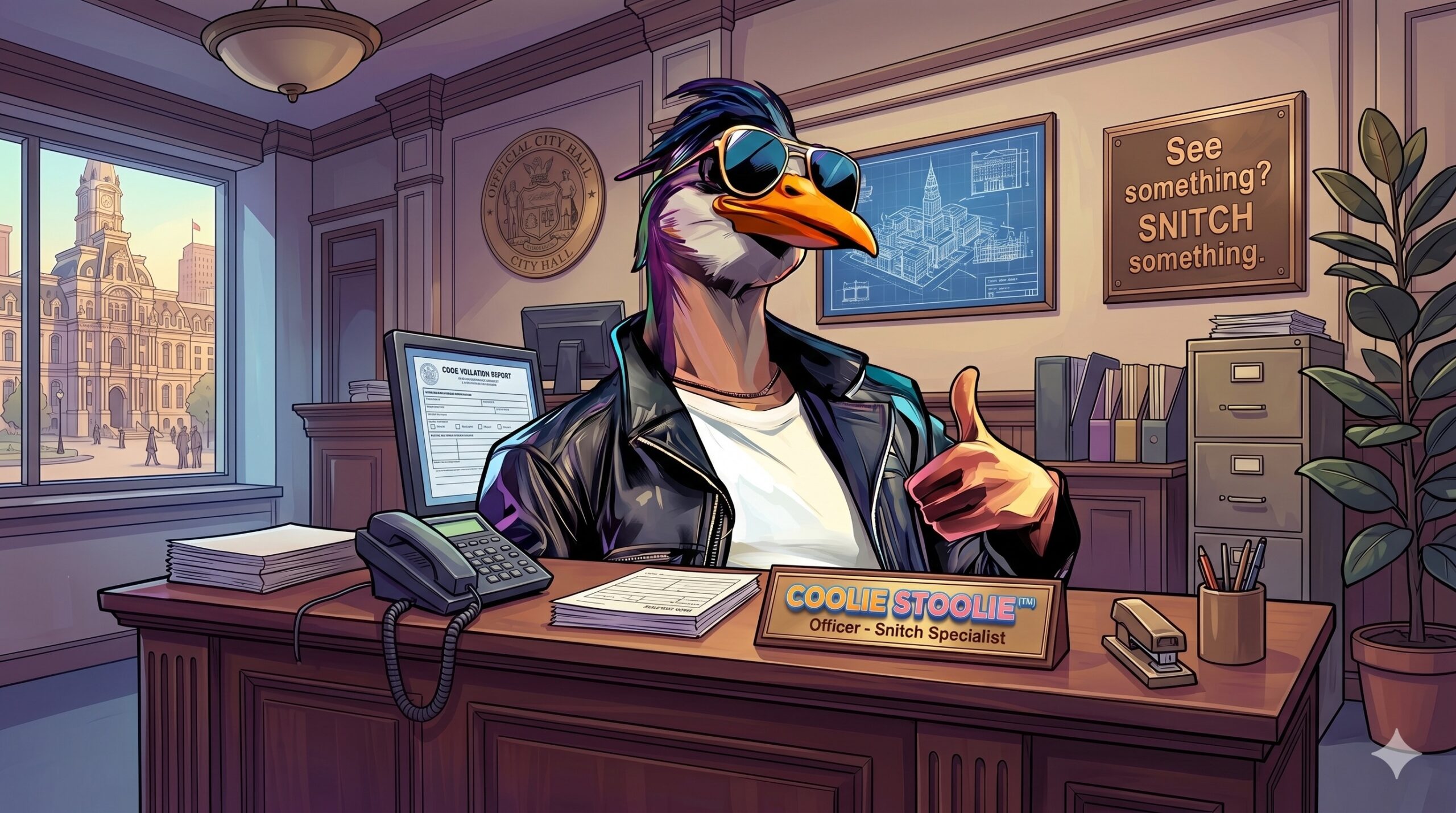
That’s the gap SNITCH closes. SNITCH files as the named complainant of record under its own name, so a public-records request returns our information instead of yours, and your name stays off the public filing. That reduces your exposure to retaliation. It doesn’t erase it, and how much depends on the municipality. We’re honest with you about that before filing.
How SNITCH Helps
SNITCH was built to lower the barrier to reporting a real violation:
- Straightforward filing: submit the address, photos, and a description through our online form.
- Your name off the filing: SNITCH is the complainant of record, so your name isn’t the one on the public record.
- Vetting and follow-up: we review each complaint, confirm the jurisdiction will accept an agent filing before charging you, and track it afterward.
- Real violations only: SNITCH files genuine code issues and declines complaints that are retaliatory or baseless.
Better Neighborhoods, Together
Civic accountability is what makes a neighborhood one where families feel safe and proud. Reporting a real violation shouldn’t cost you a feud with the house next door. SNITCH handles the filing and keeps your name off the public record, so you can speak up without becoming the story.
Get started with SNITCH today →
Frequently Asked Questions
What is civic accountability?
Civic accountability is residents actively participating in their community by reporting real problems and holding property owners and local authorities responsible for issues like safety, cleanliness, and property maintenance.
How does code enforcement improve neighborhood safety?
Code enforcement keeps properties maintained and addresses unsafe or neglected conditions, which supports a healthier, more secure neighborhood and helps surrounding property values hold up.
Can reporting a code violation affect property values?
Addressing code violations helps keep a neighborhood clean, safe, and attractive, which supports surrounding property values. A single neglected property can drag down the homes around it.
Can I report a code violation in Florida without my name being public?
Florida’s SB 60 (2021) ended anonymous code complaints, and a complainant’s name is public under Chapter 119. SNITCH files as the complainant of record under its own name, so your name is not on the public filing and a records request returns SNITCH’s information instead of yours. This reduces your exposure but does not make the complaint anonymous.
How does SNITCH simplify the reporting process?
SNITCH offers a straightforward online submission, confirms the jurisdiction will accept an agent-filed complaint before charging, vets each complaint, and handles follow-up.
Share
Recent Posts
Easily Report Code Violations Anonymously in Cocoa, FL
May 31, 2026
File a real code violation in Cocoa, FL without putting your name on the public record. SNITCH files as the complainant of record...
Easily Report Code Violations Anonymously in Ormond Beach, FL
May 31, 2026
File a real code violation in Ormond Beach, FL without putting your name on the public record. SNITCH files as the complainant of...
Easily Report Code Violations Anonymously in Palm Coast, FL
May 31, 2026
File a real code violation in Palm Coast, FL without putting your name on the public record. SNITCH files as the complainant of...