
May 30, 2026
The Snitch Crew
Easily Report Code Violations Anonymously in Central Florida, FL
Central Florida grows by the subdivision. New rooftops go up across Orange and Lake County faster than code staff can keep pace, and the gaps show: the lot stacked with construction debris, the rental converted into more units than the permit allows, the retention pond ringed with junk. The violations are real. The reason neighbors stay quiet is also real.
Here the person you’d report is often a few doors down in the same HOA, or the investor who owns half the rentals on your street. To report code violations in Central Florida, FL, you accept that your name could land in front of the exact person you reported.
Florida SB 60 (2021) made that certain. The law ended anonymous code complaints statewide. File directly with your city or county and your name and address go on the record, and that record is public under Chapter 119. SNITCH files as the complainant of record instead, so a public-records request returns SNITCH’s information, not yours.
Start your filing — submit the address and photos here.
What Counts as a Code Violation in Central Florida
If you’re unsure whether what you’re seeing is fileable, these are the common ones across Orange, Lake, and the I-4 corridor:
- Property upkeep — overgrown lots, debris piles, derelict or unsecured structures. Check your city’s code of ordinances for the nuisance and property-maintenance chapters.
- Unpermitted construction — additions, garage conversions, and electrical work done without a permit, handled through each municipality’s building division.
- Illegal rentals and overcrowding — single-family homes split into unpermitted units, a recurring problem in Kissimmee and the Orlando tourist-corridor neighborhoods.
- Illegal dumping — construction or household waste dropped on a vacant lot, swale, or near a retention pond.
- Stormwater and drainage violations — blocked or altered drainage that floods a neighbor, common across the region’s flat, pond-fed subdivisions.
If the condition isn’t covered by an ordinance, SNITCH tells you before you pay. A real condition or nothing.
Why People Here Don’t File
Central Florida runs on planned communities, and HOAs hold real leverage. A homeowner who reports the board’s selective enforcement risks a fight with the people who control assessments and lien power. A renter in a Kissimmee conversion who reports overcrowding worries the lease ends. A homeowner who flags the builder still finishing the next phase has to live beside that crew for a year.
SB 60 means none of those people are filing into a void. Their name lands on a public record the other side can pull. That’s the wall SNITCH was built to get around legally.
How SNITCH Works
The process runs in one order, and verification comes before payment on purpose.
- You submit the address, photos, and a brief explainer of what you’re seeing.
- SNITCH confirms the condition is a fileable violation and that the municipality accepts an agent filing. If it won’t work, you hear that before any charge.
- You order, pay the $299 filing fee, and submit your intake.
- SNITCH files as the complainant of record, then tracks the complaint and tells you when to follow up or escalate.

What Anonymity Actually Means Here
Be clear-eyed about this. Under SB 60, every code complaint filed directly carries a named complainant, and under Chapter 119 that name is public. SNITCH doesn’t break that law. SNITCH satisfies it by putting its own name on the filing as the complainant of record. A public-records request on your complaint returns The Z Production Group, Inc., not you.
What this does not do is erase you from every record. If you’ve already emailed Orange County Code Enforcement about the same property, that’s a separate public record SNITCH doesn’t control. Where a specific municipality only treats SNITCH as a point of contact rather than the complainant, SNITCH tells you that before filing. The honest version holds up under a records request, which is the only version worth paying for.
Cities We Cover in Central Florida
SNITCH files across the I-4 corridor and the surrounding counties. Anonymity posture varies by jurisdiction, and SNITCH confirms each one before filing:
- Orange County (Orange County Code Enforcement) and the City of Orlando
- Kissimmee, Sanford
- Lakeland, Ocala
- Inland Tampa and Lake County
Where SNITCH already has a city-specific page, the listing links to it; this regional page is the hub.
FAQ
Are code complaints anonymous in Central Florida?
Not when you file them yourself. Florida SB 60 (2021) requires a named complainant, and Chapter 119 makes that name public. SNITCH files as the complainant of record so a public-records request returns SNITCH’s information instead of yours.
What does SNITCH charge?
$299 per filing. SNITCH verifies the complaint is fileable in your jurisdiction before you pay.
Will SNITCH file any complaint?
No. SNITCH declines retaliatory, fabricated, or grudge complaints. There has to be a real, documentable condition.
To start, send the property address, a few photos, and a short description of the violation. Get started here.
Share
Recent Posts
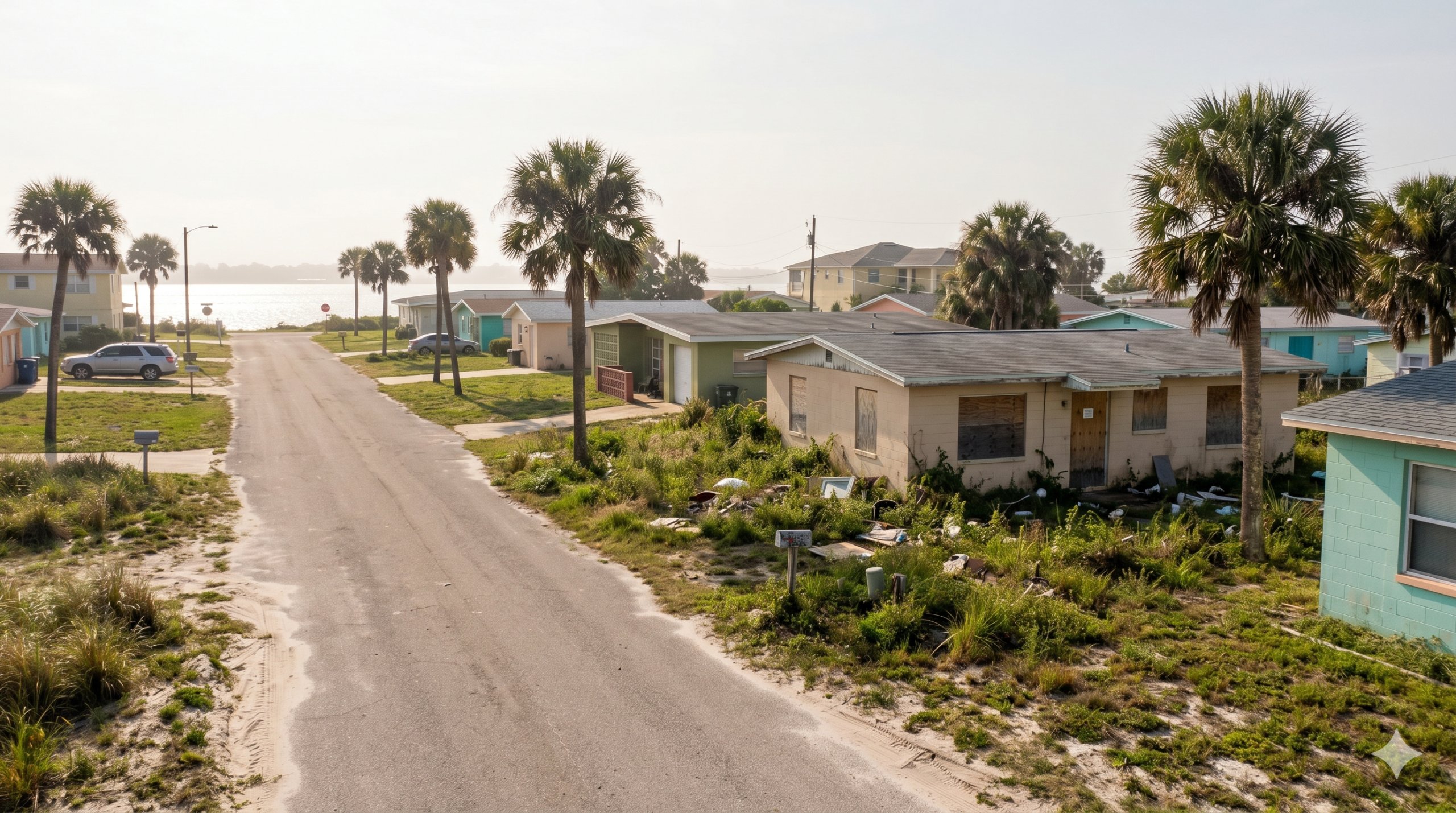
Report Code Violations Anonymously in NE Florida
May 30, 2026
Easily Report Code Violations Anonymously in Northeast Florida and the Space Coast, FL Northeast Florida is older beach towns and mid-century blocks, and...
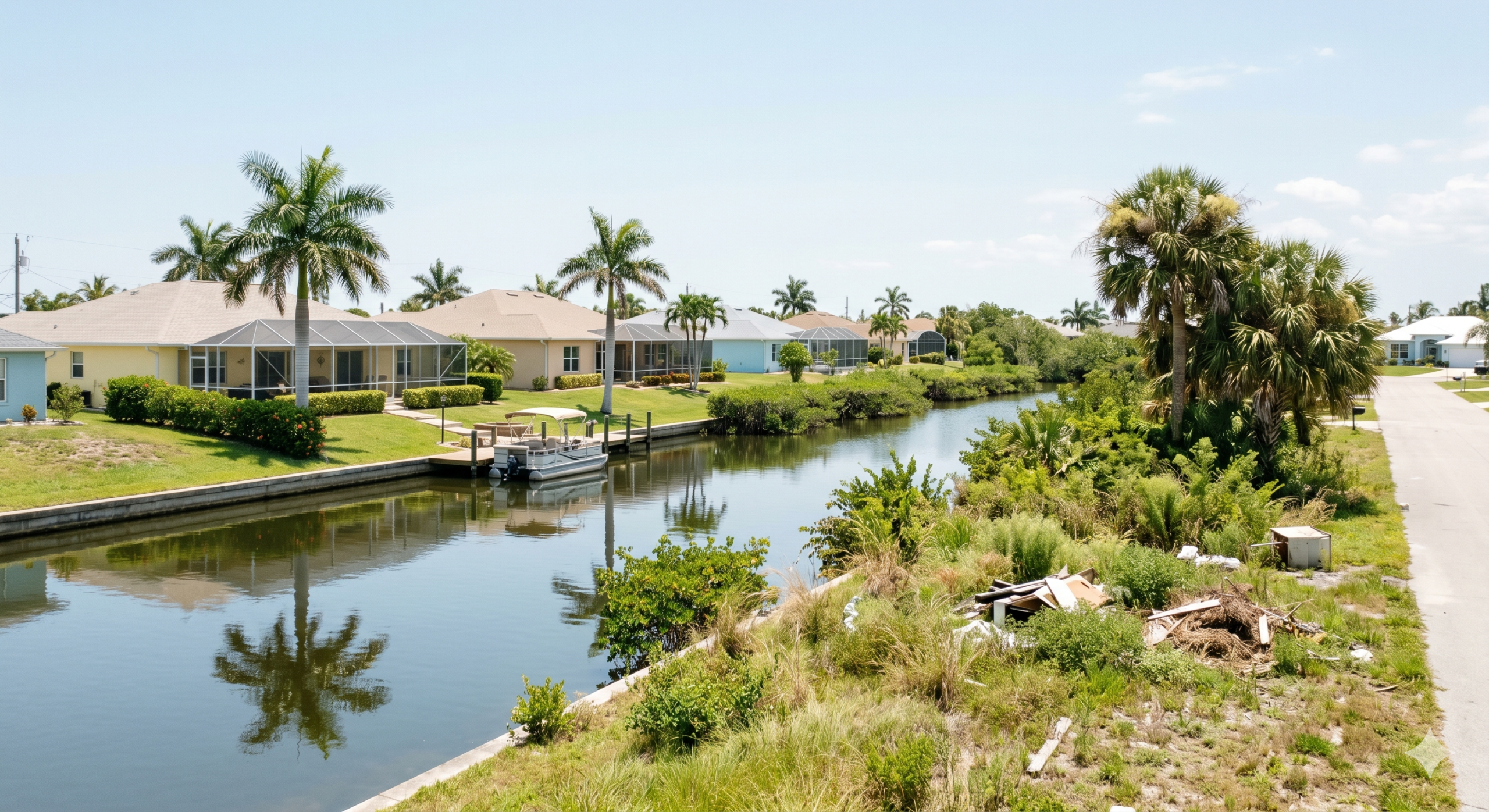
Report Code Violations Anonymously in SW Florida
May 30, 2026
Easily Report Code Violations Anonymously in Southwest Florida, FL Southwest Florida is canal grids and gated communities, and the violations track the geography:...
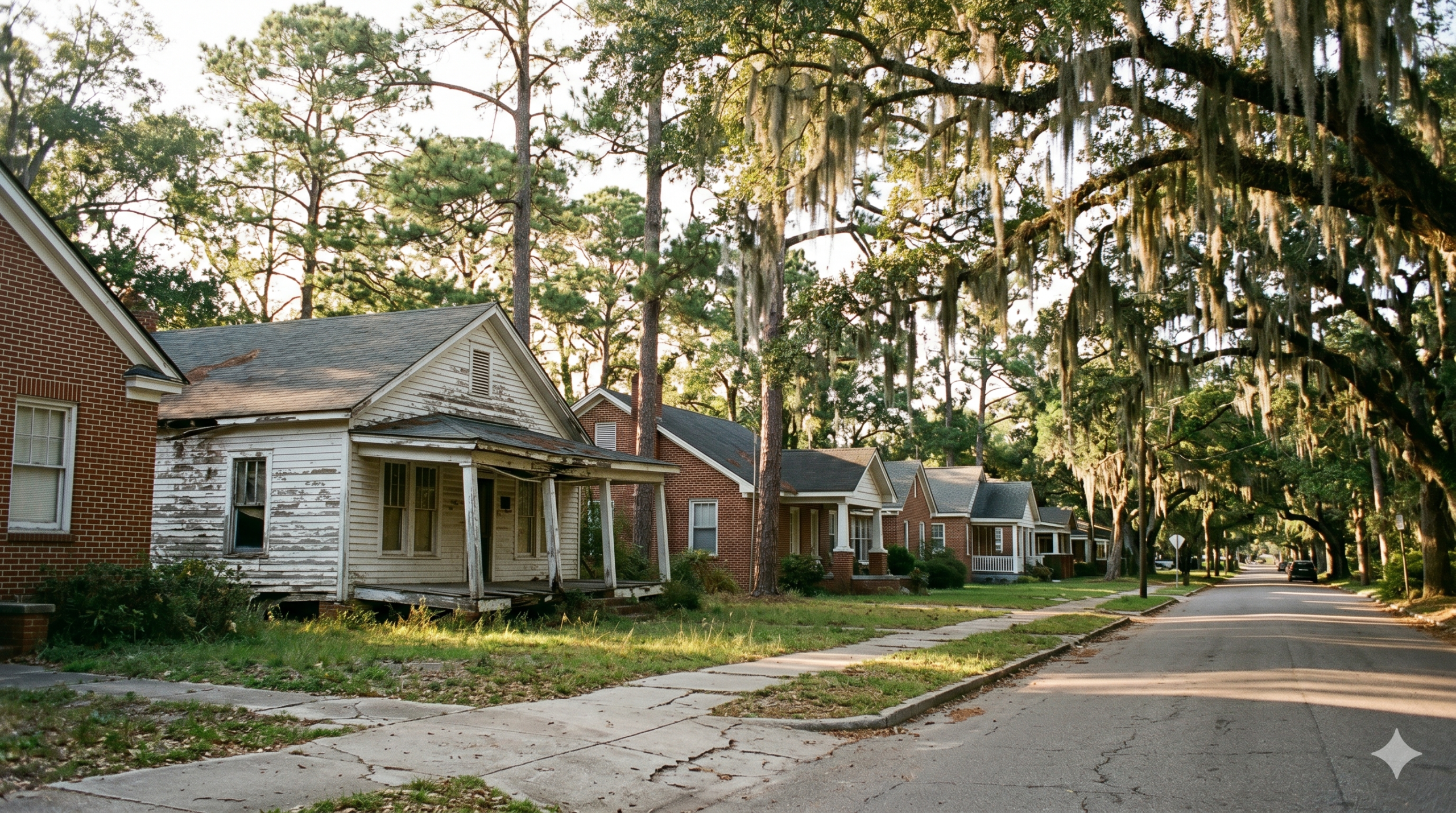
Report Code Violations Anonymously in North Florida
May 30, 2026
Easily Report Code Violations Anonymously in North Florida and the Panhandle, FL North Florida runs on older neighborhoods and small towns where everyone...