
May 30, 2026
The Snitch Crew
Easily Report Code Violations Anonymously in South Florida, FL
Drive any block in Broward or Miami-Dade and you’ll spot it: the half-finished addition with no permit posted, the short-term rental cycling a new crowd through every weekend, the derelict house with a tarped roof that’s been “temporary” for two years. The violations are real. The reason nobody reports them is also real.
In South Florida the person you’d report is usually close. A neighbor across a shared property line, a landlord who controls your lease, an HOA board that runs your community and sets your assessments. To report code violations in South Florida, FL, you accept that the report can start a feud that outlasts the violation.
Florida SB 60 (2021) raised that cost. The law ended anonymous code complaints statewide. File directly with your city or county and your name and address go on the record, and that record is public under Chapter 119. The owner you reported can request it and read your name. SNITCH files as the complainant of record instead, so a public-records request returns SNITCH’s information, not yours.
What Counts as a Code Violation in South Florida
If you’re unsure whether what you’re seeing is fileable, these are the common ones across Miami-Dade, Broward, and Palm Beach:
- Property upkeep — overgrown lots, accumulated junk and debris, unsecured derelict structures. Check your city’s code of ordinances for the nuisance and property-maintenance chapters.
- Unpermitted construction — additions, roofing, electrical, or seawall work done without a permit, handled through each municipality’s building department.
- Illegal short-term rentals — properties operating against local vacation-rental or zoning rules, a recurring problem along the Broward beaches and in Miami Beach.
- Illegal dumping — construction debris or household waste dropped on a vacant lot or swale.
- Code-violating rental conditions — broken smoke detectors, no running water, unpermitted unit conversions. These hit renters hardest.
If the condition isn’t covered by an ordinance, SNITCH tells you before you pay. A real condition or nothing.
Why People Here Don’t File
South Florida packs people close, and that raises the cost of speaking up. A renter who reports a slumlord’s broken AC worries the lease won’t renew. A homeowner who flags a neighbor’s unpermitted addition still has to wave at that neighbor every morning. An owner inside a gated community who reports the board risks a fight with the people who control the gate, the pool, and the lien power.
SB 60 means none of those people are filing into a void. Their name lands on a public record the other side can pull. That’s the wall SNITCH was built to get around legally.
How SNITCH Works
The process runs in one order, and verification comes before payment on purpose.
- You submit the address, photos, and a brief explainer of what you’re seeing.
- SNITCH confirms the condition is a fileable violation and that the municipality accepts an agent filing. If it won’t work, you hear that before any charge.
- You order, pay the $299 filing fee, and submit your intake.
- SNITCH files as the complainant of record, then tracks the complaint and tells you when to follow up or escalate.

What Anonymity Actually Means Here
Be clear-eyed about this. Under SB 60, every code complaint filed directly carries a named complainant, and under Chapter 119 that name is public. SNITCH doesn’t break that law. SNITCH satisfies it by putting its own name on the filing as the complainant of record. A public-records request on your complaint returns The Z Production Group, Inc., not you.
What this does not do is erase you from every conceivable record. If you’ve emailed the city directly about the same property, that’s a separate public record SNITCH doesn’t control. Where a specific municipality only treats SNITCH as a point of contact rather than the complainant, SNITCH tells you that before filing. The honest version holds up under a records request, which is the only version worth paying for.
Cities We Cover in South Florida
SNITCH files across the tri-county area. Anonymity posture varies by jurisdiction, and SNITCH confirms each one before filing:
- Miami-Dade County (Miami-Dade Code Enforcement) and the City of Miami
- Broward County (Broward Code Enforcement / nuisance abatement), Fort Lauderdale, Hollywood
- Palm Beach County, West Palm Beach, Boca Raton
Where SNITCH already has a city-specific page, the listing links to it; this regional page is the hub.
FAQ
Are code complaints anonymous in South Florida?
Not when you file them yourself. Florida SB 60 (2021) requires a named complainant, and Chapter 119 makes that name public. SNITCH files as the complainant of record so a public-records request returns SNITCH’s information instead of yours.
What does SNITCH charge?
$299 per filing. SNITCH verifies the complaint is fileable in your jurisdiction before you pay.
Will SNITCH file any complaint?
No. SNITCH declines retaliatory, fabricated, or grudge complaints. There has to be a real, documentable condition.
To start, send the property address, a few photos, and a short description of the violation through the SNITCH intake form.
Share
Recent Posts
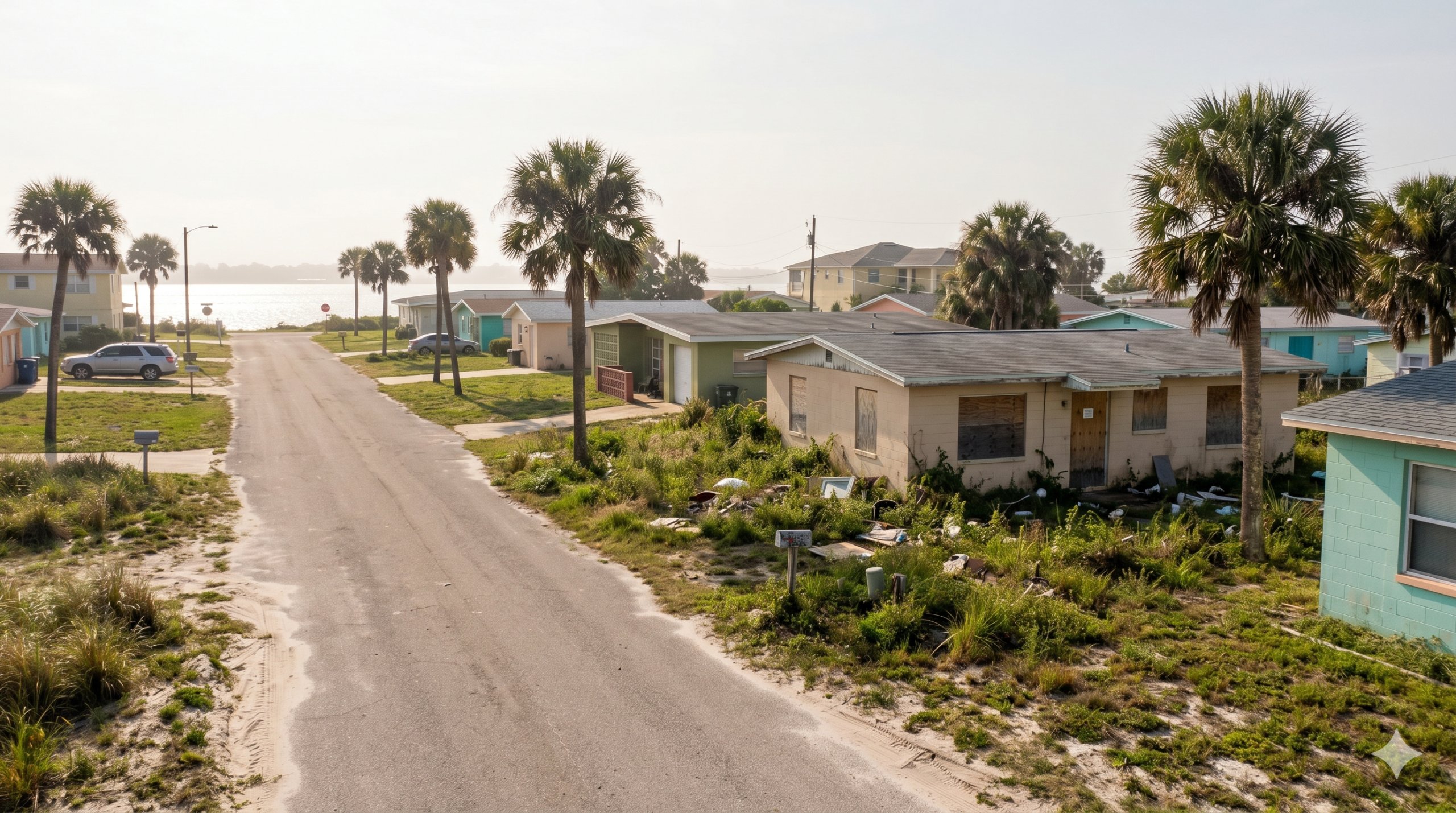
Report Code Violations Anonymously in NE Florida
May 30, 2026
Easily Report Code Violations Anonymously in Northeast Florida and the Space Coast, FL Northeast Florida is older beach towns and mid-century blocks, and...
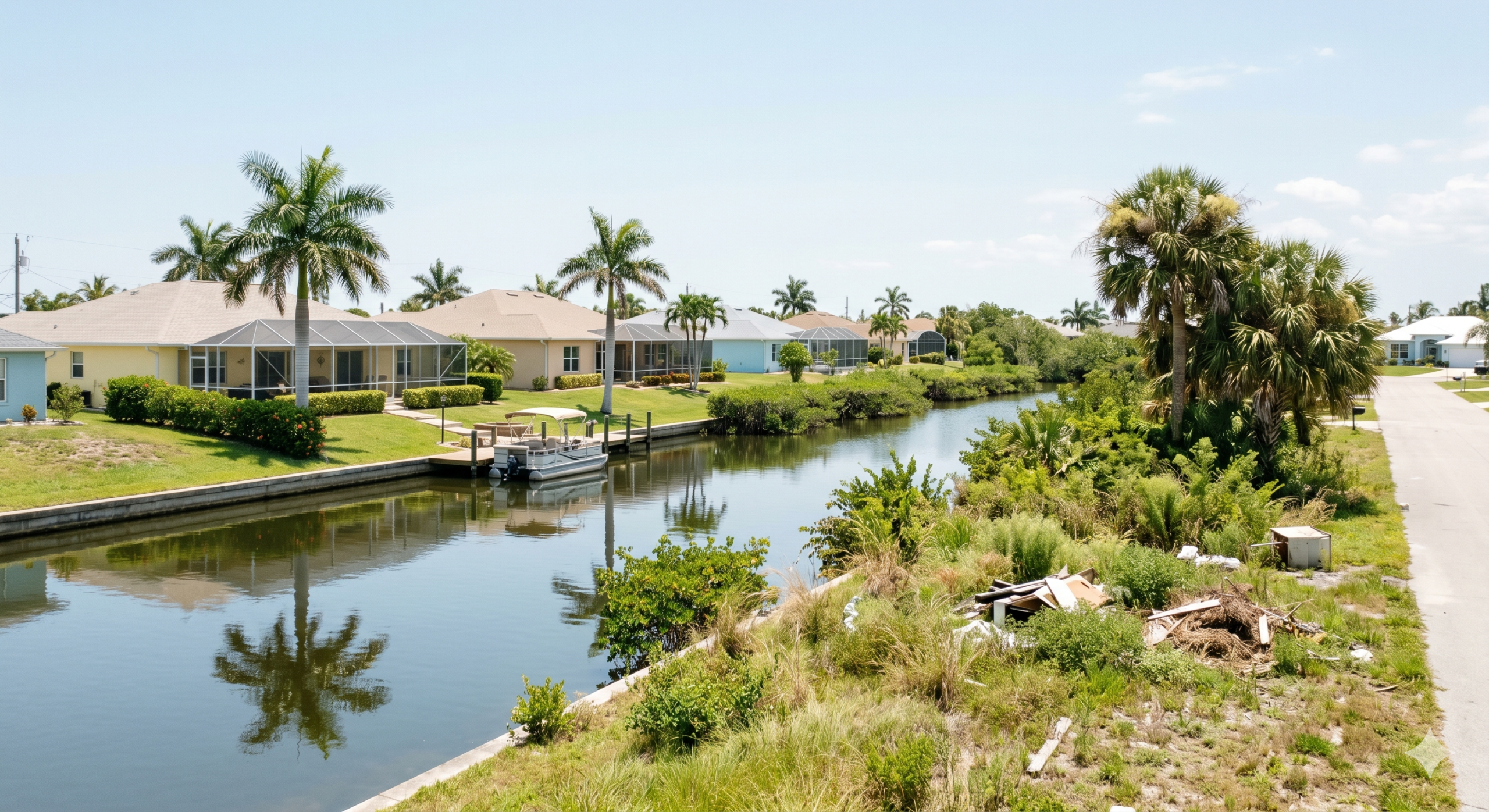
Report Code Violations Anonymously in SW Florida
May 30, 2026
Easily Report Code Violations Anonymously in Southwest Florida, FL Southwest Florida is canal grids and gated communities, and the violations track the geography:...
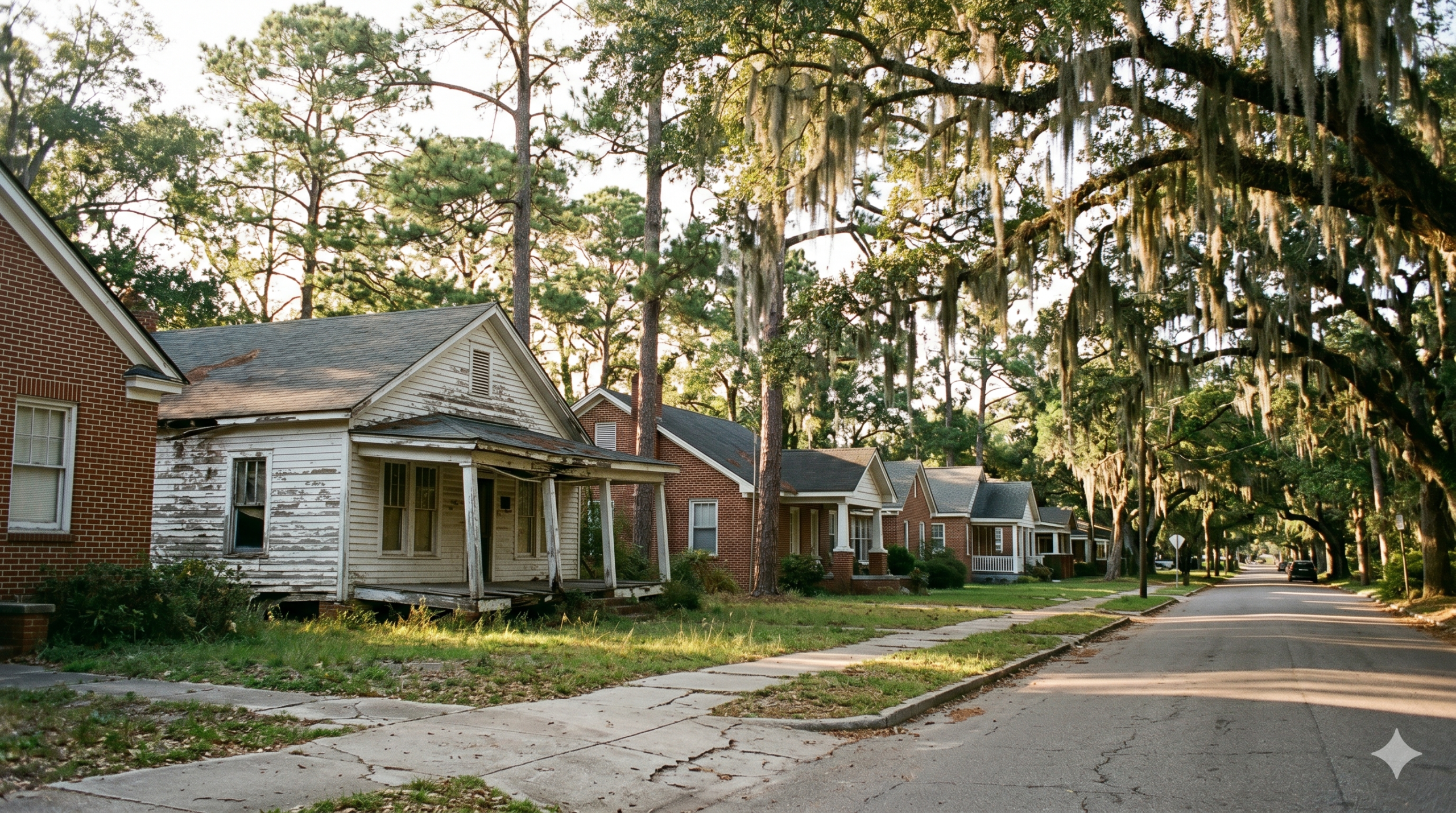
Report Code Violations Anonymously in North Florida
May 30, 2026
Easily Report Code Violations Anonymously in North Florida and the Panhandle, FL North Florida runs on older neighborhoods and small towns where everyone...