
March 24, 2025
The Snitch Crew
How to Report a Code Violation in Florida Without Fear of Retaliation
If you’ve thought about reporting a code violation in your Florida neighborhood but worried about backlash, you’re not alone. Fear of harassment, a soured relationship, or threats keeps a lot of people from reporting real problems. Staying silent isn’t the answer, and there’s a way to report that keeps your name off the public filing.
Report a Florida code violation with SNITCH →
Why the Fear Is Reasonable
Reporting unsafe buildings, illegal dumping, or neglected properties keeps neighborhoods safe and maintains property values. Many Floridians hesitate because they worry about conflict with a neighbor or pushback from a local business. That worry is legitimate, and it has a specific cause.
What Florida Law Says About Anonymous Complaints
In 2021, Florida passed Senate Bill 60, which ended anonymous code complaints. Anyone reporting a violation now has to provide a full name and address, and under Florida’s public-records law, Chapter 119, that information becomes a public record anyone can request. The narrow exception is a violation posing an imminent threat to public health or safety, or to sensitive environmental resources. The law was meant to curb frivolous reports. It also discourages people from reporting genuine problems, because filing means exposure.
The Kind of Retaliation Residents Worry About
The concern that keeps people quiet usually takes one of a few forms:
- Neighbor conflict: a resident stops reporting serious yard neglect because once their identity is known, the relationship sours.
- Business pushback: a local business threatens legal action against residents who file complaints, which discourages future reports.
- Harassment: after a complainant’s identity becomes public, they worry about threats or property damage.
These are the situations residents picture when they decide not to file. Whether or not it ever escalates, the name-on-the-record requirement is enough to keep good people quiet.
How SNITCH Keeps Your Name Off the Filing
SNITCH addresses this directly:
- We’re the complainant of record: SNITCH files the complaint under our own name and does not name you to the agency. Your name isn’t on the filing.
- Public-records requests return us, not you: because your name isn’t in the complaint, a records request returns SNITCH’s information. That reduces your exposure. It doesn’t erase it, and how much depends on the municipality.
- We verify before we file: we check the complaint for accuracy and confirm the jurisdiction will accept an agent-filed complaint before charging you.
One honest limit: lawful legal process, like a subpoena or court order, can still compel disclosure of information we hold, and a property owner who receives a single specific complaint can sometimes infer the source. SNITCH reduces your public exposure. It doesn’t put you beyond legal process, and we don’t pretend otherwise.
Get started with SNITCH today →

Tips for Effective Reporting
- Document clearly: clear photos or video of the condition support the complaint and speed the response.
- Know your local code: familiarity with local ordinances helps you report accurately. Check your city or county code of ordinances, usually hosted on Municode or the local government site.
- Use a filing service: SNITCH handles accuracy, jurisdiction verification, and follow-up, and keeps your name off the public filing.
Report Without Becoming the Story
Don’t let the fear of retaliation stop you from reporting a real violation. SNITCH files as the complainant of record, so your name stays off the public filing while the condition still gets addressed.
Frequently Asked Questions
Can I report a code violation anonymously in Florida?
No. Florida’s SB 60 (2021) requires a full name and address to file a complaint, except for violations posing an imminent threat to public health or safety. SNITCH files under its own name as the complainant of record, so your name is not on the public filing, but the complaint itself is not anonymous.
Will my personal information become public when I report a violation?
If you file directly, yes. Complainant details are public records under Florida’s Chapter 119. If SNITCH files for you as the complainant of record, a public-records request returns SNITCH’s information instead of yours.
How does SNITCH keep my name off the complaint?
SNITCH files the complaint under its own name as the complainant of record and does not name you to the agency. Because your name is not in the complaint, a public-records request returns SNITCH’s information. This reduces your exposure but does not make the complaint anonymous, and lawful legal process can still compel disclosure.
Can retaliation really happen from reporting a violation?
The fear is common enough that many residents avoid reporting once their name goes on the public record. Keeping your name off the public filing is how SNITCH reduces that risk.
Is using SNITCH legal in Florida?
Yes. SNITCH files as the named complainant of record, which satisfies SB 60’s requirement that a complaint carry a name and address. SNITCH is an administrative filing service, not a law firm, and does not provide legal advice.
Share
Recent Posts
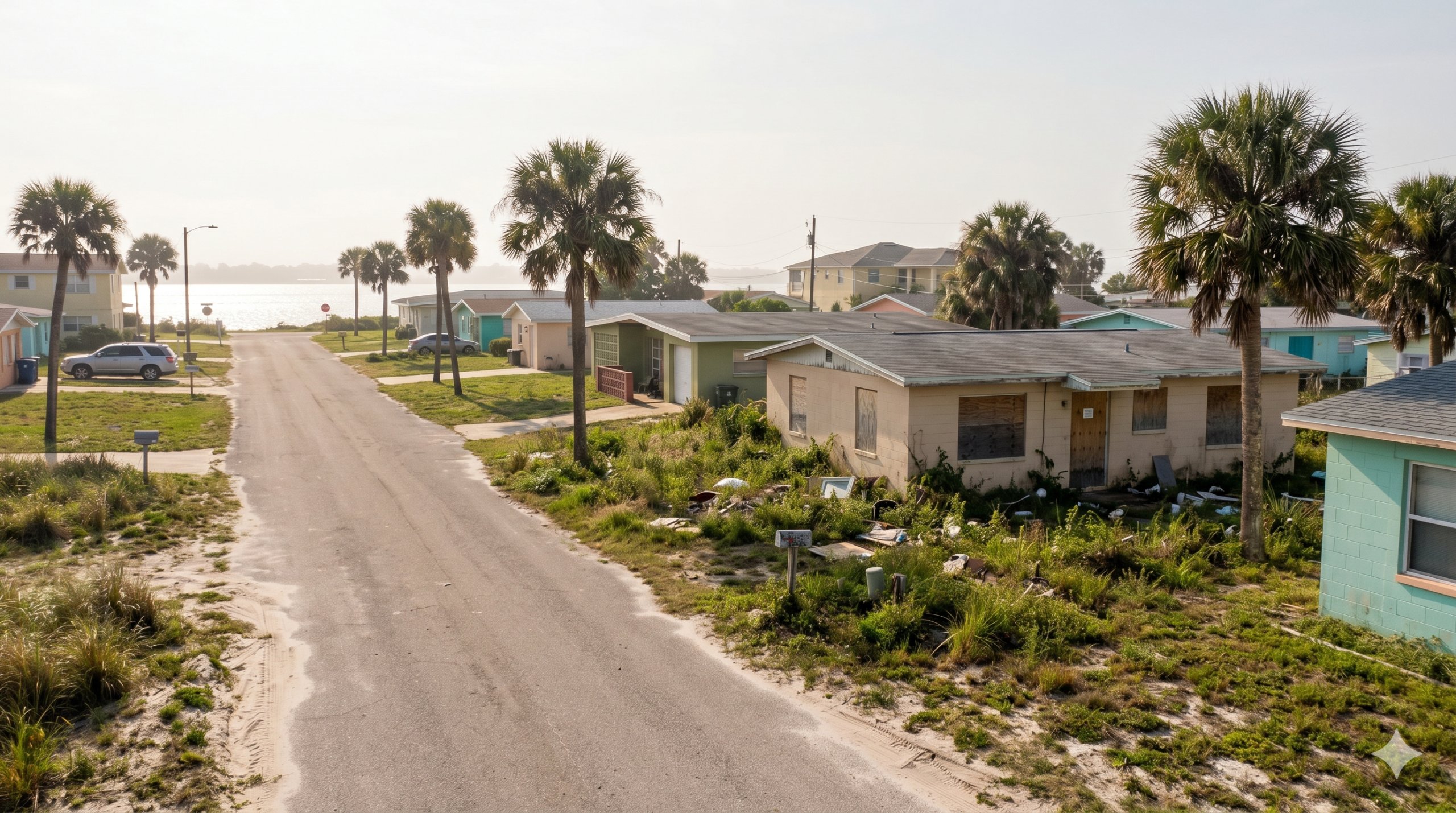
Report Code Violations Anonymously in NE Florida
May 30, 2026
Easily Report Code Violations Anonymously in Northeast Florida and the Space Coast, FL Northeast Florida is older beach towns and mid-century blocks, and...
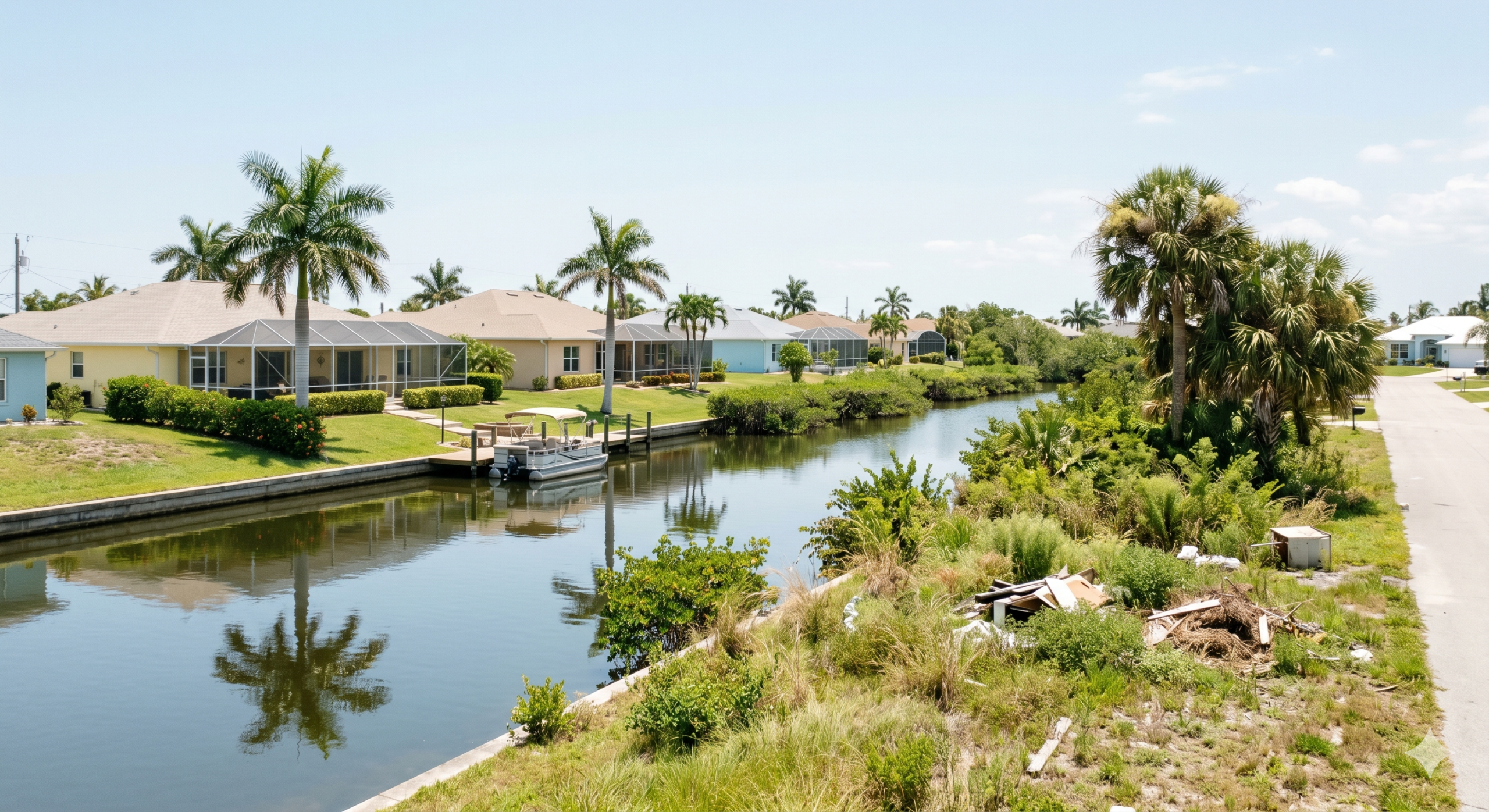
Report Code Violations Anonymously in SW Florida
May 30, 2026
Easily Report Code Violations Anonymously in Southwest Florida, FL Southwest Florida is canal grids and gated communities, and the violations track the geography:...
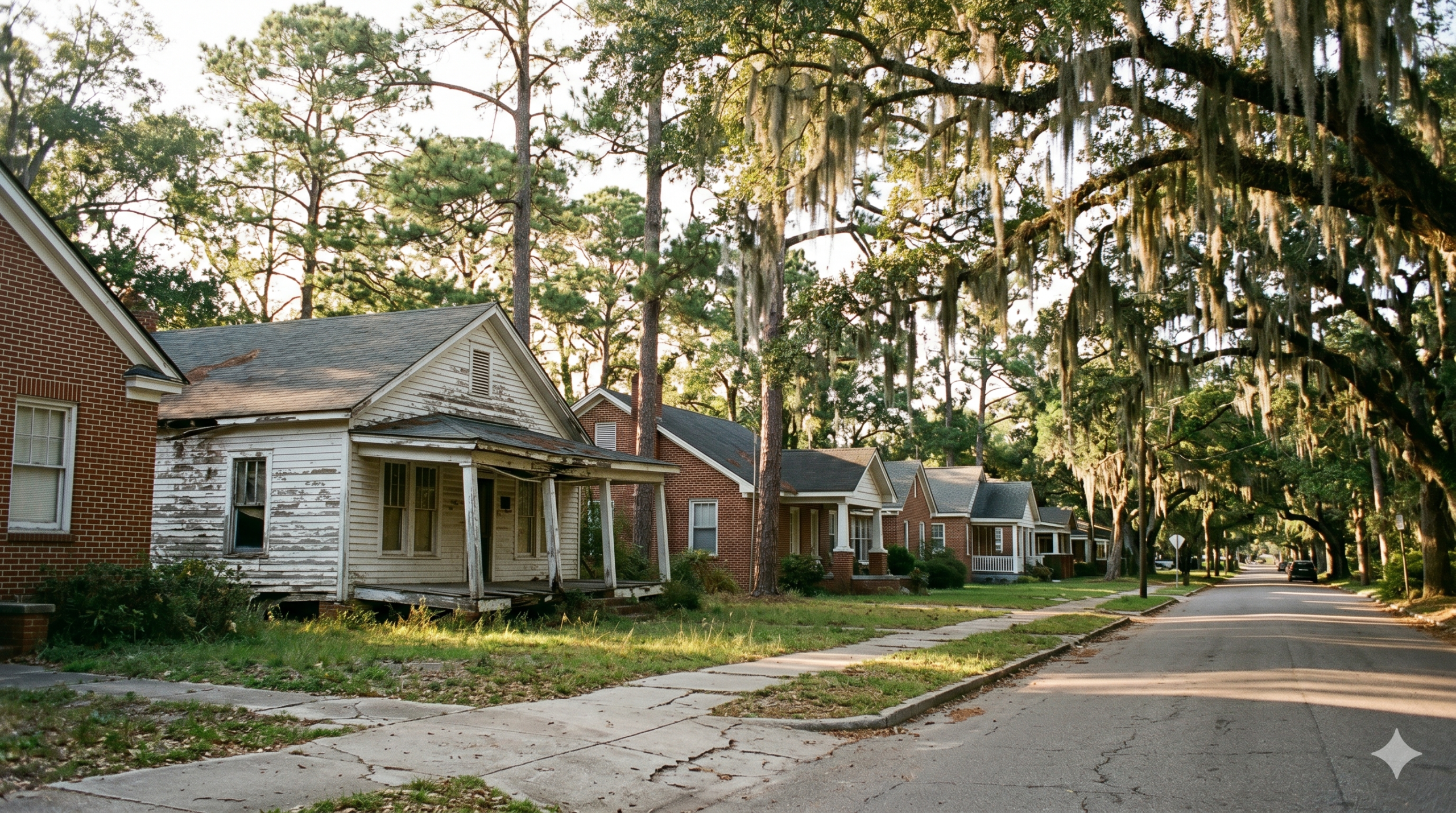
Report Code Violations Anonymously in North Florida
May 30, 2026
Easily Report Code Violations Anonymously in North Florida and the Panhandle, FL North Florida runs on older neighborhoods and small towns where everyone...